Gardens shaped by soil, shelter, light and the creatures that share them.

Home / About

About us

Our Landscape Perspective

Brainpicnicrange is an independent publication about designing outdoor and home spaces that belong to their place, support wildlife and help people feel better.

What we believe

Nature in a garden is not a finish to be applied. It is a set of relationships between soil, water, light, plants, animals and the people who live alongside them. Good design starts by understanding those relationships and then makes careful choices that strengthen them.

We write for homeowners, renters with a balcony and garden planners who want grounded advice rather than trend reports. Every guide balances three things: human comfort, ecological value and the time and money it really takes to keep a space working.

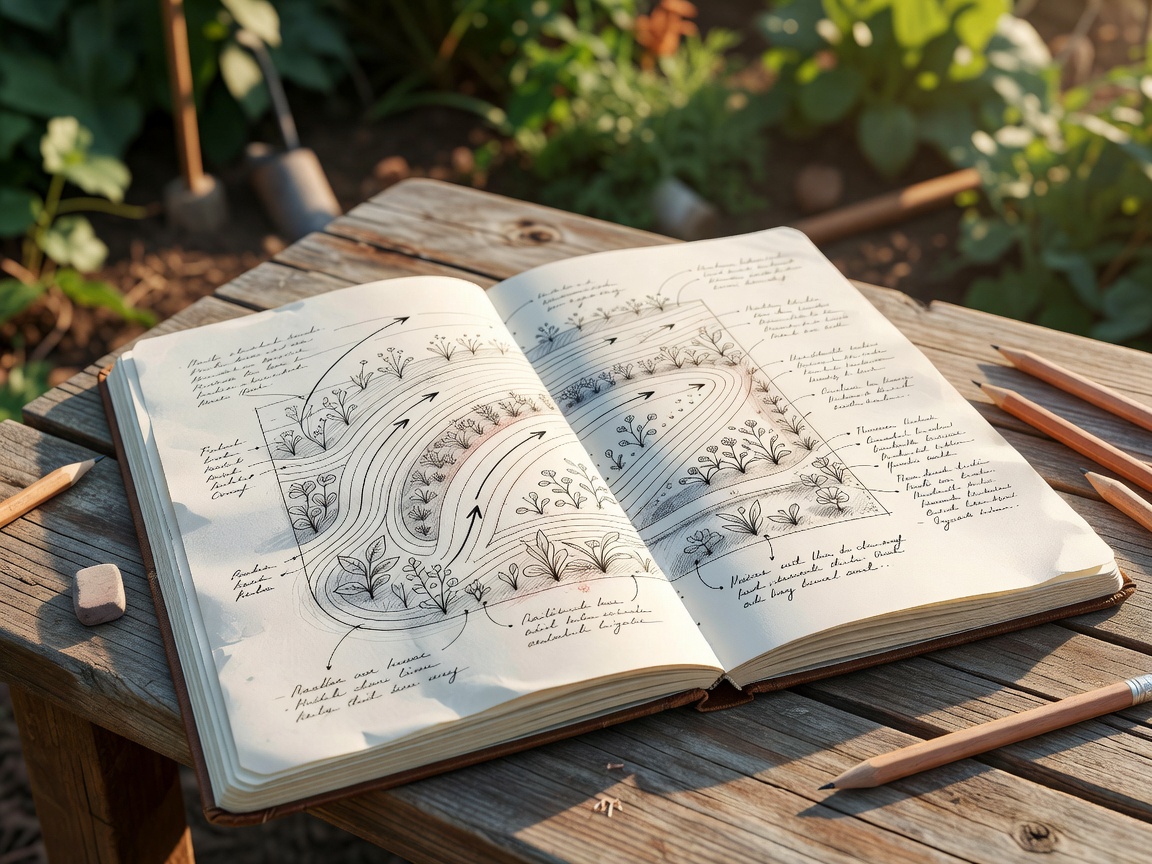
Open notebook with a hand-drawn garden survey, sun path arrows and plant notes resting on a timber table outdoors

How we work

Grounded in research

We draw on established work including E. O. Wilson's Biophilia, Stephen Kellert's Biophilic Design, Roger Ulrich's restorative environment studies, the Kaplans' The Experience of Nature and Terrapin Bright Green's 14 Patterns of Biophilic Design.

Guided by practice

We learn from gardeners and designers such as Piet Oudolf, whose planting shaped the High Line in New York and the Lurie Garden in Chicago, and Beth Chatto, whose dry garden proved the value of right plant, right place.

Honest about limits

We are not your designer, arborist or engineer. Where safety, structure, trees near buildings or planning rules are involved, we say so and recommend qualified advice.

Independent

We accept no paid placements and do not sell plants or products. Organisations we mention, including the RHS, Plantlife and The Wildlife Trusts, are cited for reference only.

Who is behind the site

Brainpicnicrange is published by Brainpicnicrange Garden Studio Ltd, a small studio based in Totnes, Devon. Our editors combine backgrounds in horticulture, landscape planning and environmental writing. We update guides when better evidence or regulations change, and welcome corrections at [email protected].