Home / Home Connections
Nature-inspired home environmentsConnect Home and Garden
Most people experience their garden through a window far more often than from a bench. Designing the relationship between rooms and landscape is where biophilic thinking pays off daily.
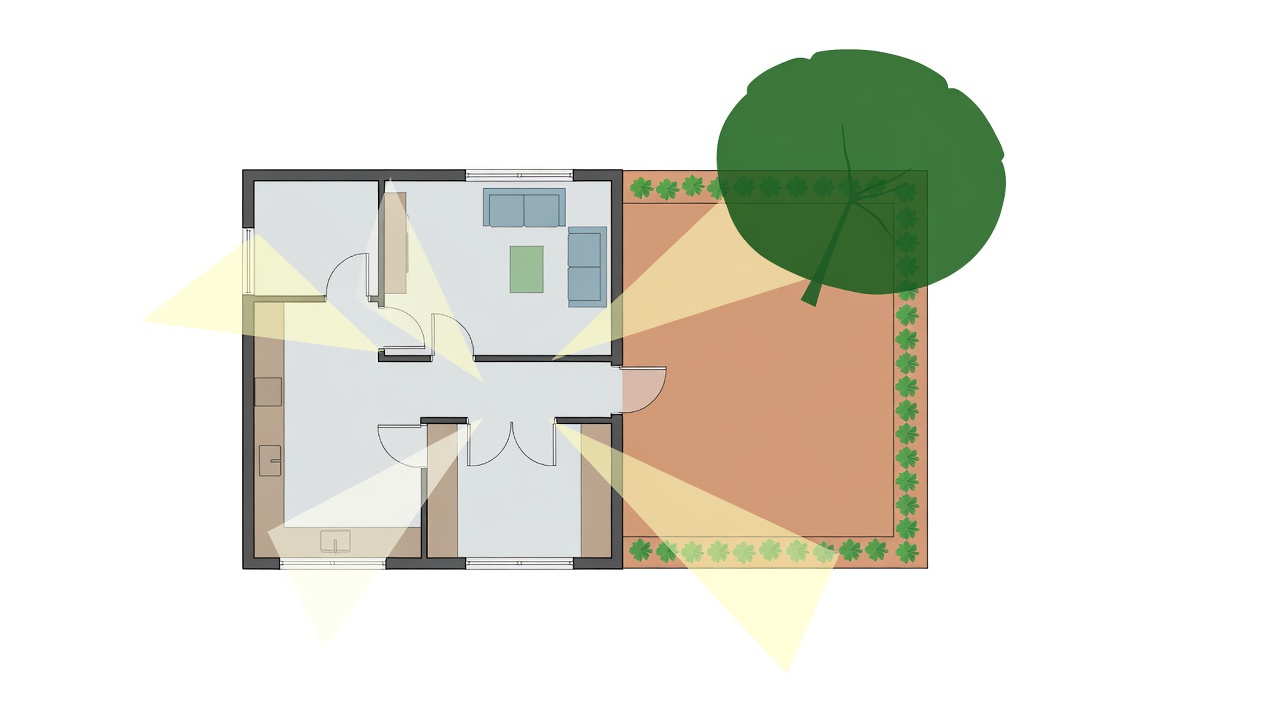
Map the views from rooms you actually use
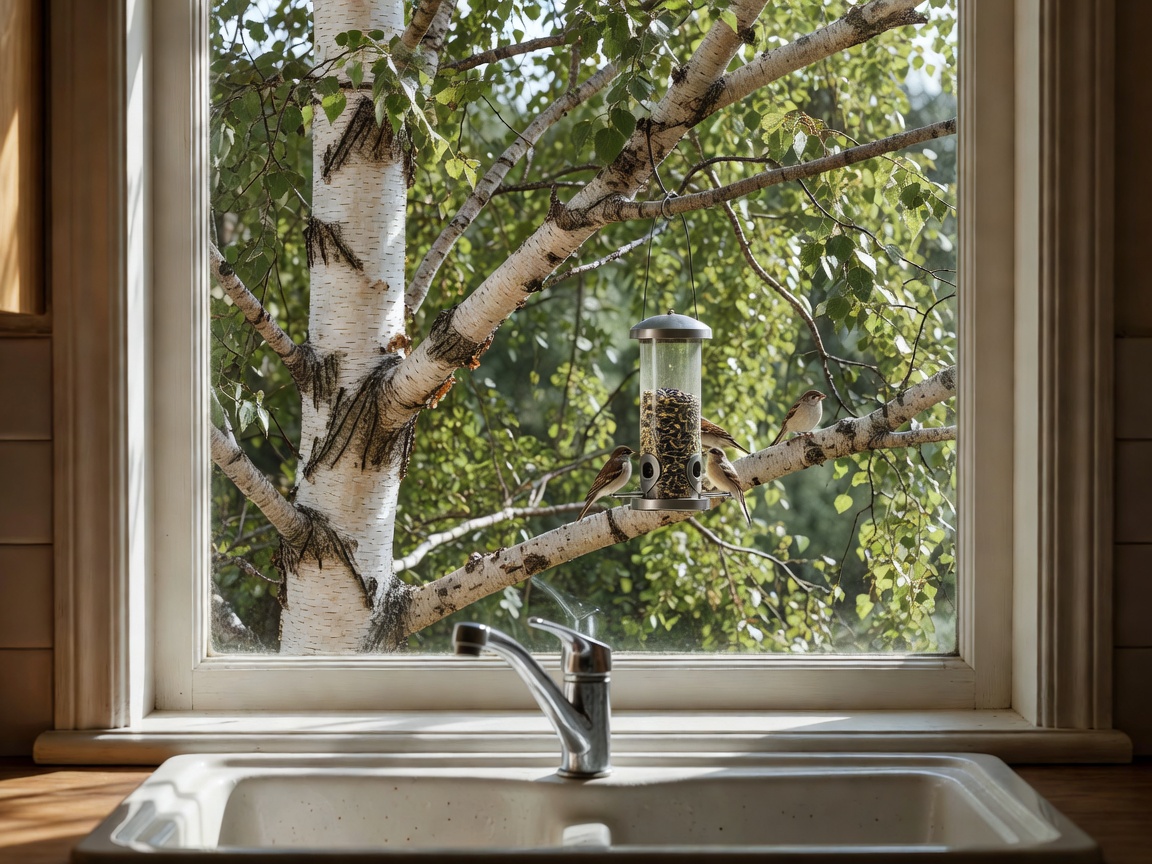
Start indoors. Stand at the kitchen sink, sit at the desk, lie in bed and look out. Note what you see in each case, at the time of day you are usually there. A kitchen window used at breakfast deserves a morning-lit focal point, perhaps a small tree that catches the low sun or a bird feeder within easy view. A living-room window used mostly in the evening suits planting that glows at dusk, such as pale grasses or white-flowered shrubs, with soft outdoor lighting kept low and warm to avoid disturbing wildlife.
Edward O. Wilson described biophilia as an innate tendency to focus on life and lifelike processes. Stephen Kellert later turned the concept into practical design attributes, including direct experience of nature, indirect experience through natural materials and patterns, and the experience of space and place. Framing views from inside is the most direct of these for homeowners.
Make the threshold effortless
A step, a heavy door or a muddy patch outside is enough to stop many people going out on a grey morning. Level or near-level thresholds, a covered strip of terrace for poor weather and a hard surface that dries quickly all lower the barrier. Where a flush threshold is not possible, a shallow, wide step with a handrail planted alongside works almost as well.
Christopher Alexander and his colleagues described related ideas in A Pattern Language, from outdoor rooms to sunny counters and window places. Many of their patterns read as practical advice for the modern indoor-outdoor home: give people a reason and a comfortable place to pause at the edge of the building.
Repeat materials across the line
Continuity between floor and terrace, or between an interior timber wall and an outdoor screen, visually extends a room and makes the garden feel part of the house. Natural materials with visible grain, irregular stone and lime plaster bring indirect nature indoors. Keep the palette modest so rooms still feel calm.
Daylight, air and seasonal rhythm
Natural light that shifts through the day is one of the strongest biophilic cues. A deciduous tree on the south side of a house, in the northern hemisphere, shades windows in summer and lets winter sun through after leaf fall. Cross-ventilation that brings garden air and sound into rooms adds what Terrapin Bright Green calls thermal and airflow variability. Opening windows on a spring evening to hear birdsong is part of the design, not an afterthought.
Greenery at the edge and inside
Pots of herbs by the back door, a climber trained across a window frame and a planted window box all bring the living layer to the glass. Inside, a few large, healthy plants generally have more impact than many small ones. Choose species for the light each room really receives rather than how they look in a shop. At city scale, Stefano Boeri's Bosco Verticale towers in Milan, completed in 2014, show how far the idea of planting at every level can go; at home, a single balcony planter achieves a similar effect for the person sitting beside it.
Practical constraints
Keep planting and soil levels at least 150 mm below the damp-proof course to protect walls. Check tree species and distances near foundations, especially on shrinkable clay. Large glazed openings change heat gain and loss, so combine them with shading and good glazing specification. For alterations to a listed building or in a conservation area, check with your local planning authority first.